History
The History of Thackray House
The house now known as Thackray House began its story in 1625, when it was built as a refined country lodge called Roman Camp for the powerful Drummond family of Perthshire. Closely connected to Scottish royalty, the Drummonds were among the most influential noble families of their time. The house was originally commissioned by John Drummond, 2nd Earl of Perth and remained in the family for over a century. It stood within a day’s ride of Drummond Castle, whose magnificent gardens can still be visited today
A House of Politics and Power
In the late 17th century, the estate passed to James Drummond, 4th Earl of Perth, one of the most powerful and controversial nobles of his time. A Catholic convert and devoted Jacobite, he served as Lord Chancellor of Scotland and adviser to James II of England.
Following the Glorious Revolution, when William III of England took the throne, Drummond refused allegiance and followed James II into exile. He became a leading figure in the Jacobite cause, an effort to restore the Stuart monarchy.
The building itself reflects this era. Its distinctive pink harling, a lime-based roughcast infused with iron ore, became associated with Catholic and Jacobite-leaning houses. Like many homes of the time, Thackray House is believed to have contained hidden passages for secrecy and protection.
From Noble Estate to Victorian Expansion
By the 19th century, the house had passed into the hands of Brownlow Bertie, 5th Earl of Ancaster, who served as Lord Chamberlain to Queen Victoria. During renovations, a sealed 1855 newspaper discovered within the walls revealed that a conservatory extension was likely added during his ownership. In 1896, the estate was sold to Reginald Brett, 2nd Viscount Esher, known as Lord Esher, a trusted adviser to three monarchs: Queen Victoria, Edward VII, and George V. A treasured relic remains in the house chapel today: a wreath placed on Queen Victoria’s coffin by Edward VII and later gifted to Lord Esher.
The Esher Era: Culture, Society, and Transformation
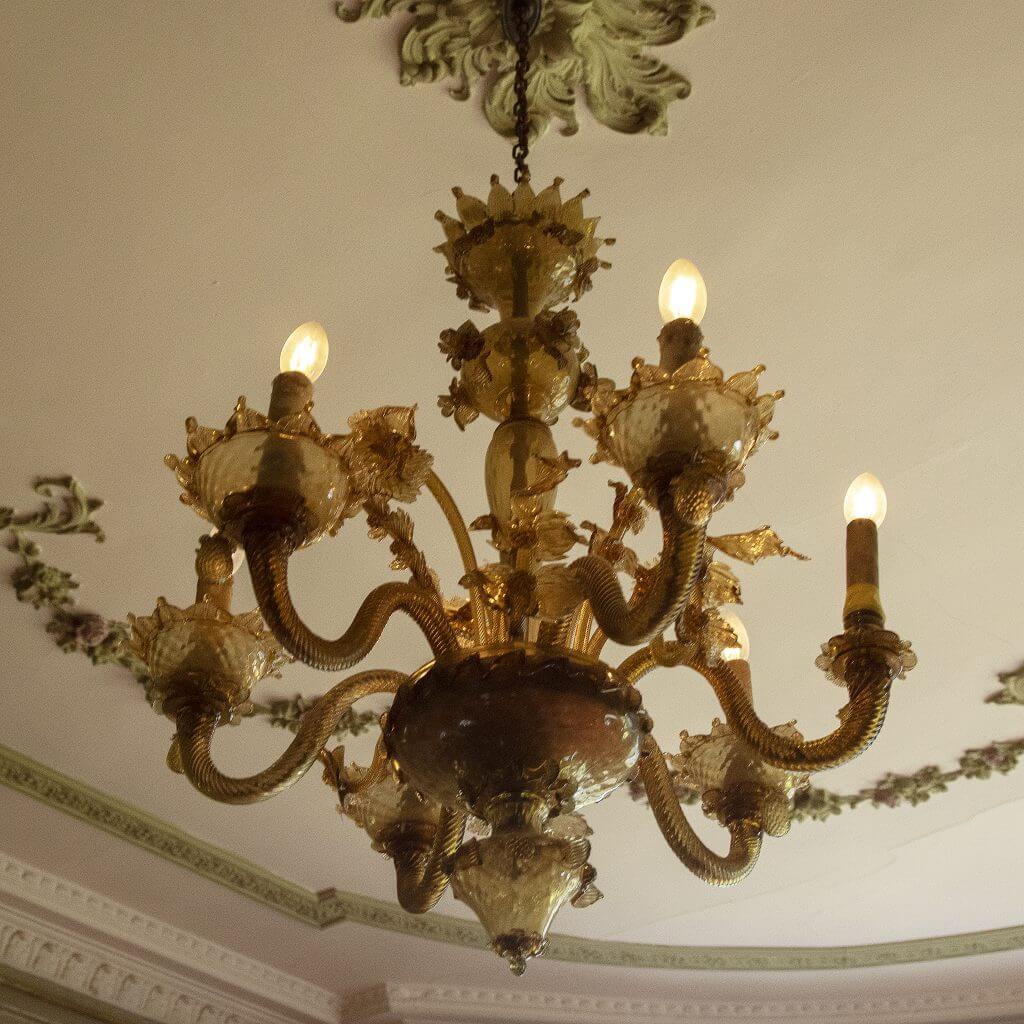
Under Lord Esher, Roman Camp was transformed into an elegant country house capable of hosting distinguished guests. With the help of architect Gerald Dunnage, the property gained its towers, library, drawing room, chapel, and guesthouse. The house became a vibrant social hub, welcoming notable figures such as, Arthur Balfour, Ramsay MacDonald, Douglas Haig and J. M. Barrie It also hosted celebrated artists and performers, including Lily Elsie and Ellaline Terriss. The Esher family themselves led fascinating lives: their daughter Dorothy Brett became part of avant-garde artistic circles before settling in New Mexico with D. H. Lawrence, while another daughter, Sylvia Brett, married into the royal family of Sarawak.
Gardens and Wartime History
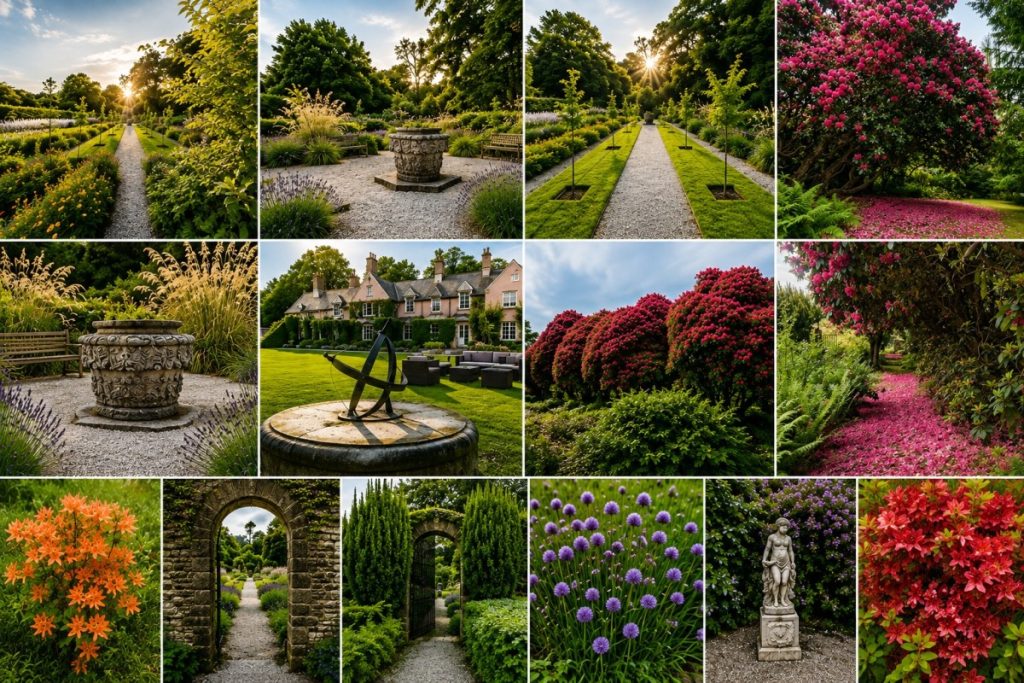
The gardens, largely shaped by Lord and Lady Esher, remain a highlight today. They feature a walled garden, herbaceous borders, and striking Italian statuary, including a Romanesque marble wellhead and ornate sundial. During the Second World War, the gardens were meticulously maintained by prisoners of war under Lady Wilson, preserving their beauty through difficult times.